

In the summer of 2025, I travelled to the war-torn country of Ukraine. Having a good two months between the International Criminal Court Moot and my Exchange+ in Rotterdam, I decided to go and see for myself the lives and events in a country so distant from Singapore.
What I saw and what I felt, was vastly different from the content on my TikTok feed or on mainstream media. The war is not the only definition of Ukraine. Amongst the food, history and culture, much thrives in the cities. Yet, my trip to Ukraine also challenged the assumptions I had about the country. Despite the country coming together against a common threat, political complexities and great diversities lay beneath what I assumed was a uniform veneer.
Getting In
First, getting into Ukraine required a few administrative tasks. For the purposes of my visa application, I had to submit proof of war insurance, sufficient funds to make the trip and a proper residence in Ukraine. My visa application took a couple weeks to process and because of the lack of English-based information, I had to guess some documentary requirements, such as the proof of financials. Flying into Ukraine was also not a possibility. The only way in was land transport - and given the size of the country (it is the biggest European country by land area), a bus ride from Warsaw to Kyiv would take 16 hours.
After a month of solo travelling around other parts of Europe, the day finally came to enter Ukraine. I waited eagerly at the Warsaw Central Bus Station at two in the morning, my fingers trembling both from visiting a country at war and the cold. Just two weeks before my visit, the Russians had bombarded Kyiv with the largest drone attack since the start of the war. I wanted to understand and see the plight of the Ukrainians first-hand, but I also knew that the war was a highly sensitive issue. As the bus arrived, I was surprised to see the many passengers headed into Ukraine. Family members hugged and kissed goodbye and the seriousness of entering Ukraine started to sink in.
Kyiv
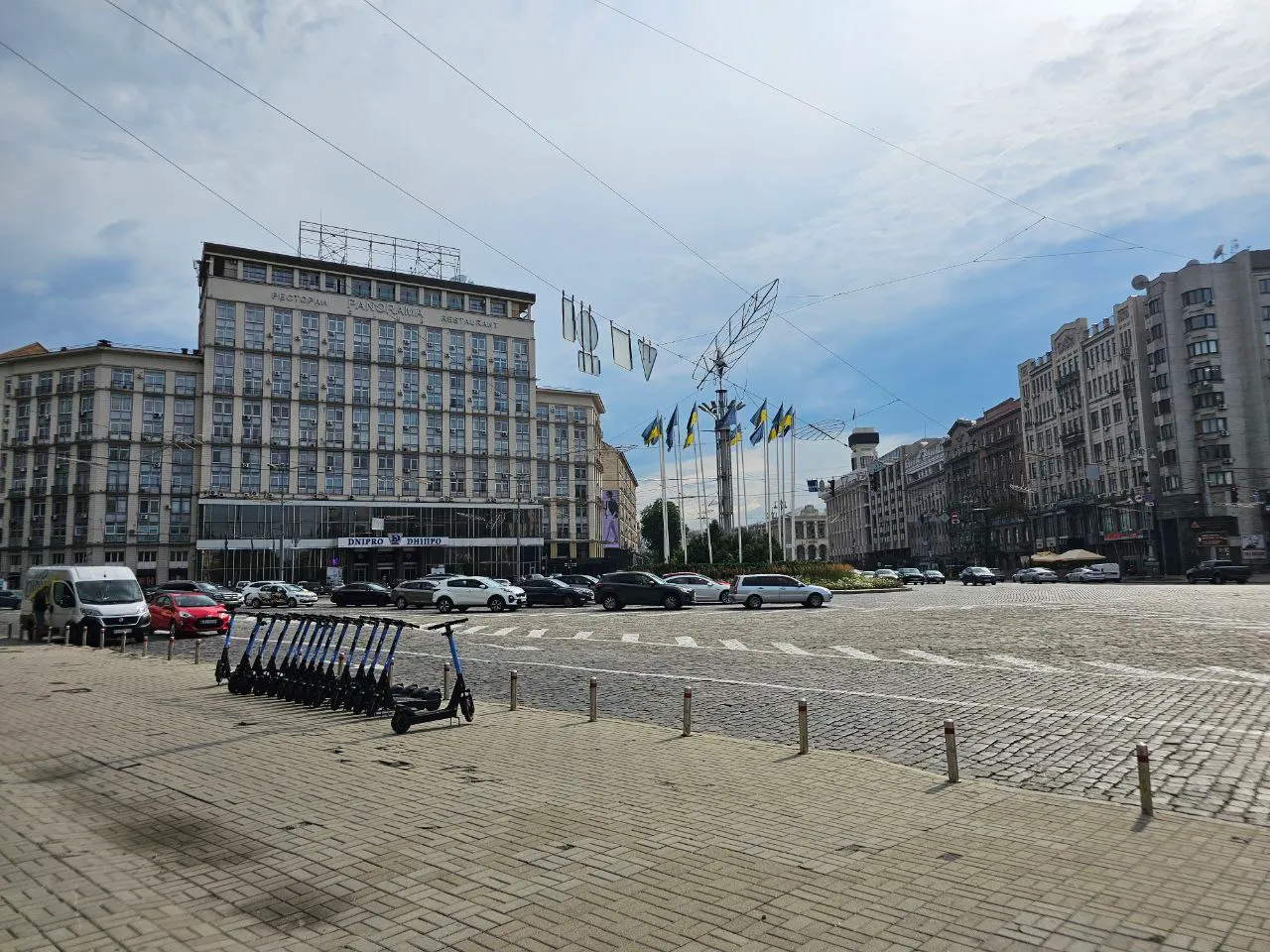
As I got off the bus at Kyiv Central Bus station, the differences from the rest of Europe were immediately clear. Cyrillic letters plastered the information signs & building names. Grey, brutalist concrete shaped the city blocks while brighter colours defined the older pre-Soviet architecture. Instead of the trams I had seen in every European capital so far, yellow buses ran along the streets with electric cables. Grey clouds hung over the city, shielding it from the burning summer heat I had experienced in Central and Western Europe.
In spite of the ongoing war, Kyiv was surprisingly calm. Two weeks before I arrived, the news reported Russia’s heaviest drone bombing in Kyiv in the war thus far. And yes, I could still feel its looming presence. Soldiers were stationed along roads and at metro stations. Statues were boarded up with scaffolding and wood covers. My phone buzzed with missile and drone alerts on Telegram.
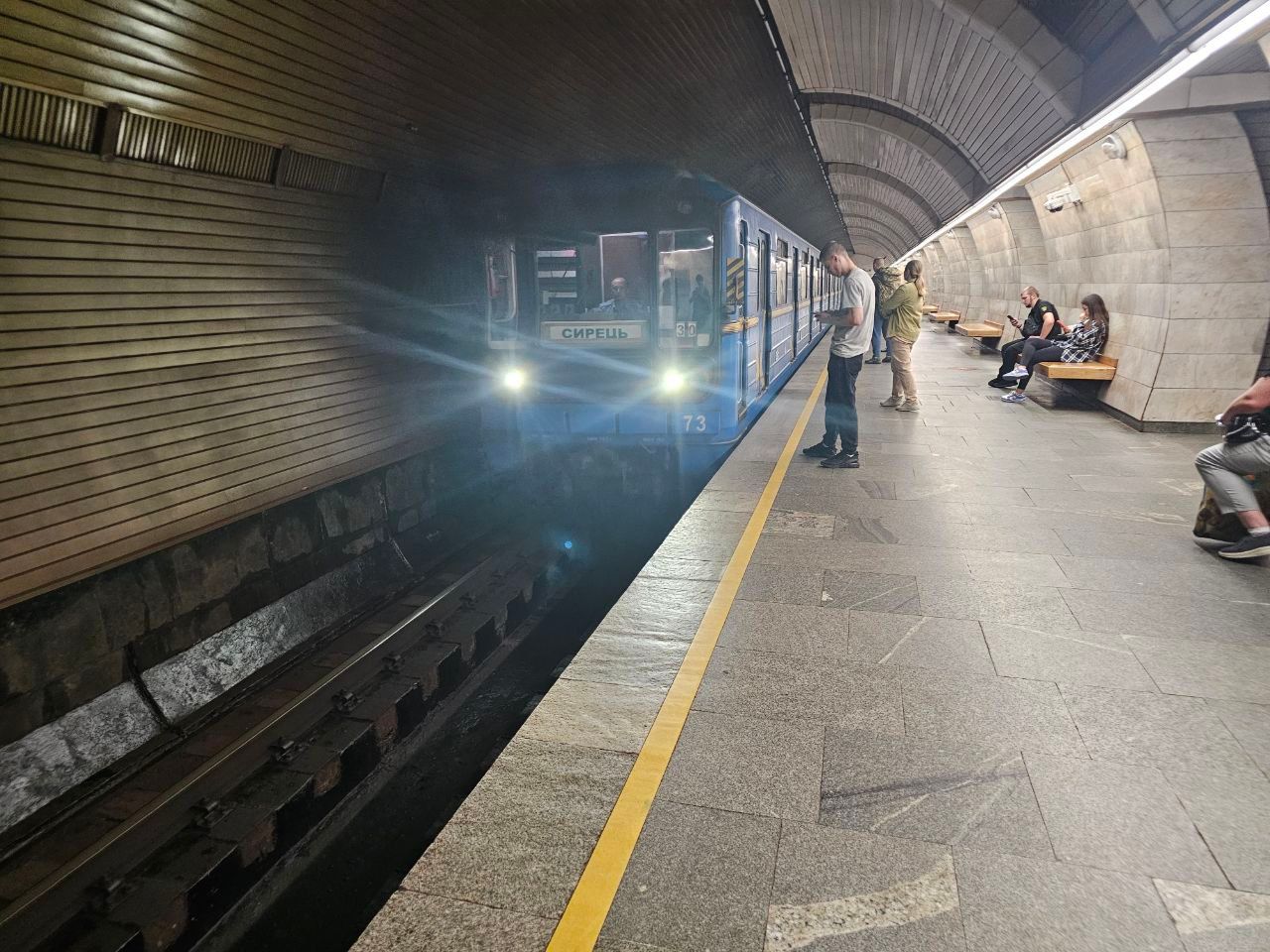
Yet, people went on with their lives as usual. As the metro thundered down the deep, Soviet-era tunnels, its carriages were packed with commuters rushing to and fro. Customers sat in cafés, working on their computers or catching up with old companions. Least of all, no one seemed to be bothered by the alerts. Even on one of the worst nights, while drones buzzed overhead and alerts were going off on my phone, none of the other roommates seemed bothered. Perhaps the war was now a “new normal” for the Ukrainians, just like how it was for us during COVID-19.
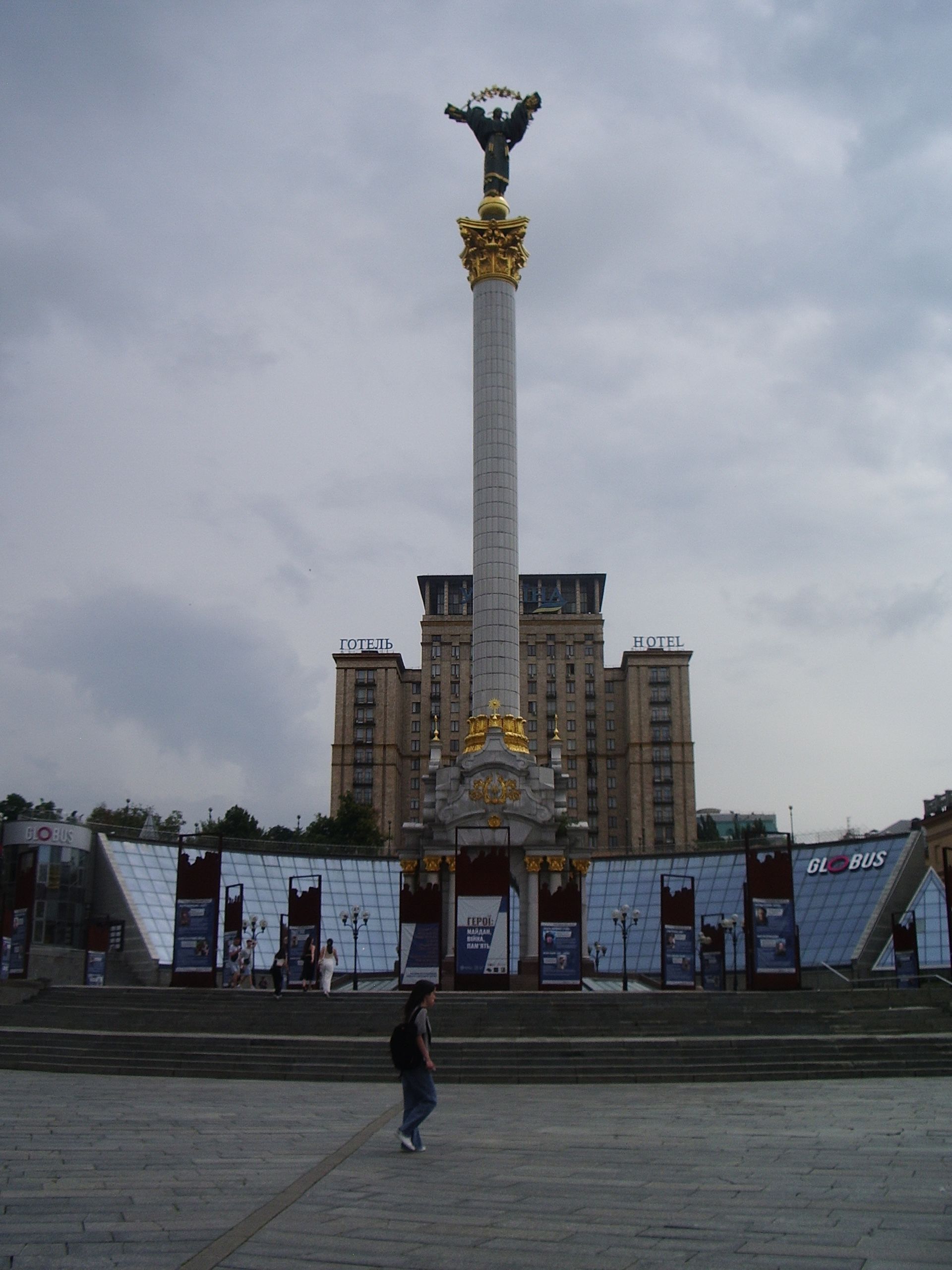
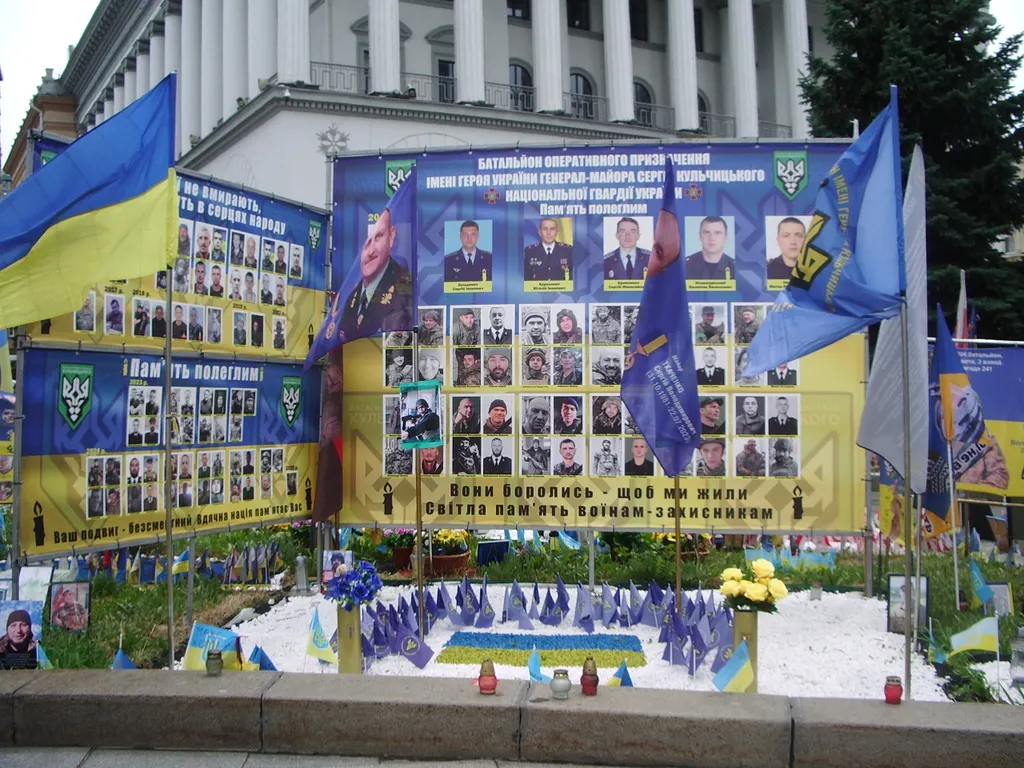
The architecture in Kyiv also revealed many wonders about Ukraine. In the Independence Square, a towering pillar with Ukraine’s Lady of Independence watched over the city centre. Once representing Ukraine’s post-Soviet independence and national pride, she was given renewed meaning by the platter of blue-and-yellow flags by the side of the square. I trudged slowly towards the many pictures placed on the grassy patches. “Demon” and “Recon” were among the nicknames for the many fallen. This was the real impact. A soldier, an individual remembered for his vivid personality by his fellow troopers, who died defending his nation. A volunteer strolled up, asking for donations to the military. I gave him some - in exchange, he gave me a couple of wristbands and a flag that bore the blue and yellow colours proudly.
Aside from the hallmarks of the war, Kyiv also boasted the rich history of the country’s roots. The St Sophia Cathedral, St Michael’s Monastery and old church grounds were evidence of traces of the Orthodox religion, their bright sensual colours plastered across the grey city blocks. In particular, a guide told me that the St Michael’s Monastery was a landmark from pre-Soviet times. The Communists’ intolerance towards religion tore apart churches and religious groups - but the Monastery was allowed to stay, albeit with restricted freedoms and finances. This was a further example of the country’s tumultuous history with the Soviets/Russians.
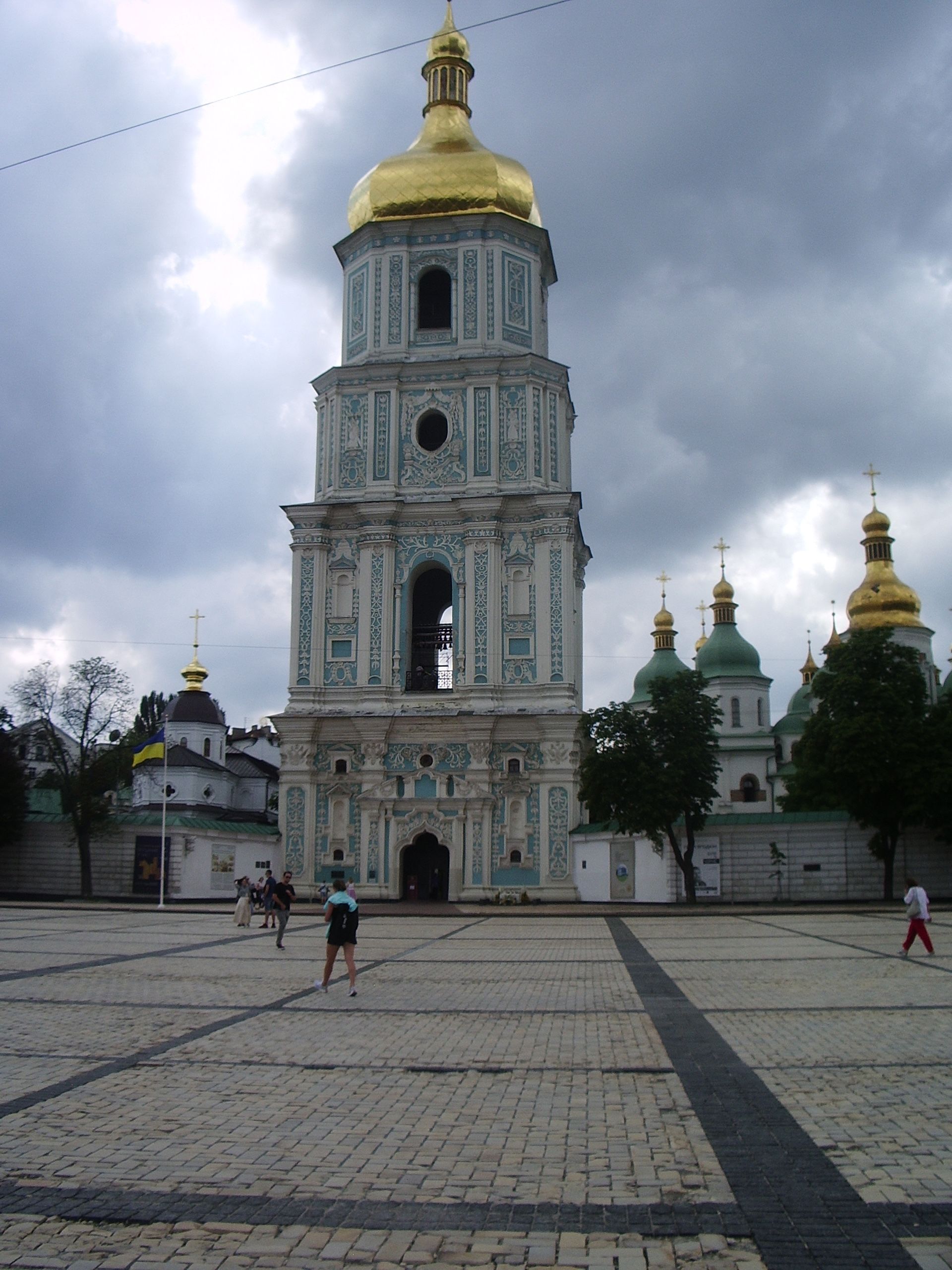
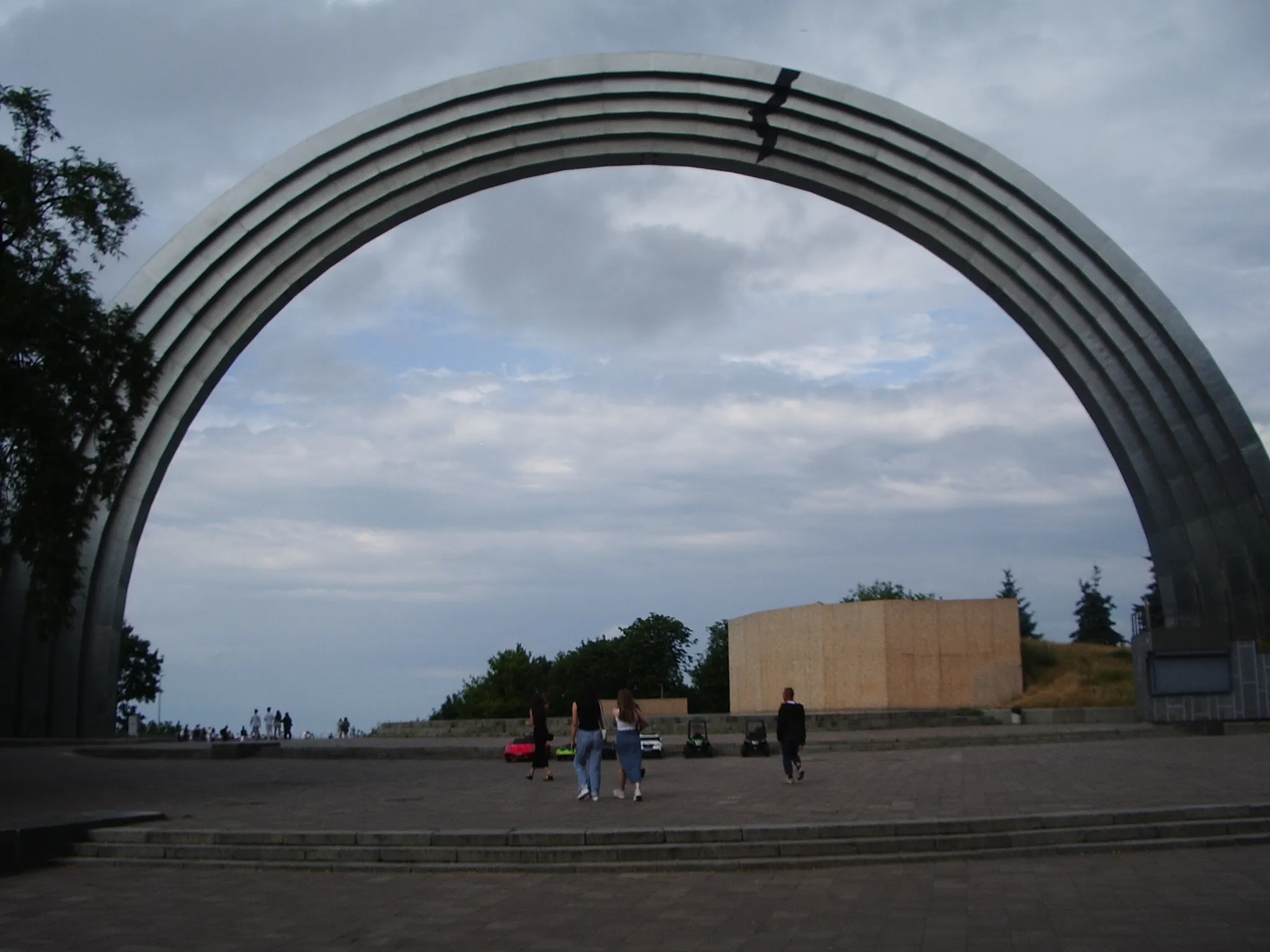
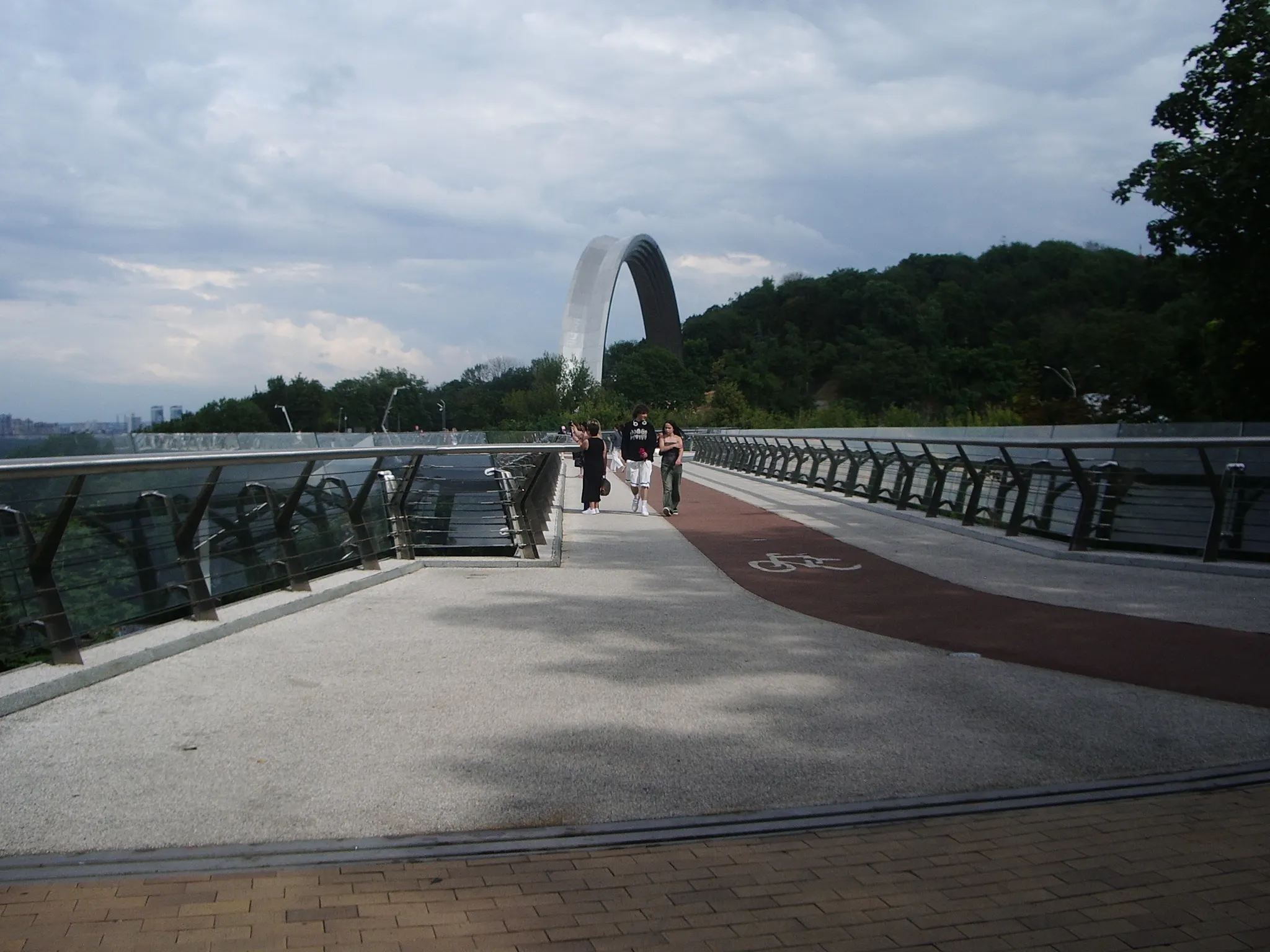
Despite the war, Kyiv bustled with life. Its citizens were up and about everyday - the same as I have seen in any other European cities. Amidst signs of the war, its history was told through the old Orthodox churches, to the Soviet-era infrastructure and now to the modern day shopping malls and landmarks. The summer vibe was vibrant, as people walked through parks and browsed the clothing racks at pop-up indie clothes stores. I was reminded, beyond the language and cultural differences of the people here, this was a very real city, with very real people, who were living through difficult times yet standing out in their own way.
Lviv
After a five-day stay in Kyiv, Lviv felt like a total opposite of Kyiv. Where the Kyivan streets were defined by grey, concrete blocks and grey clouds overhanging the city, the white-bricked, empire-like architecture reflected the bright summer sun in Lviv. In fact, its city centre reminded me more of Vienna than of Kyiv. And indeed, as I read the history of Lviv, I realised it had changed hands through four empires in the last one hundred years, including the Austro-Hungarian Empire.
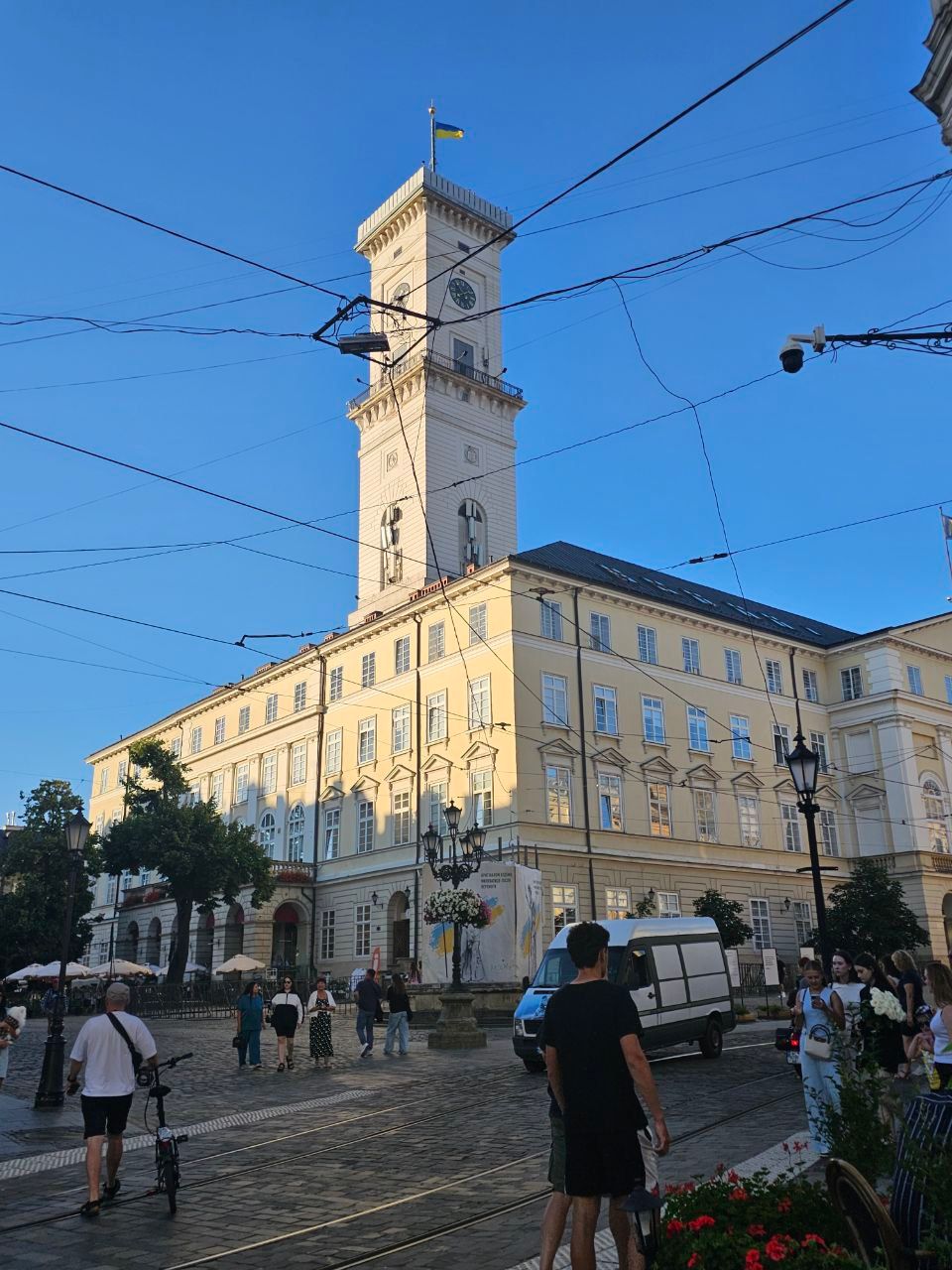
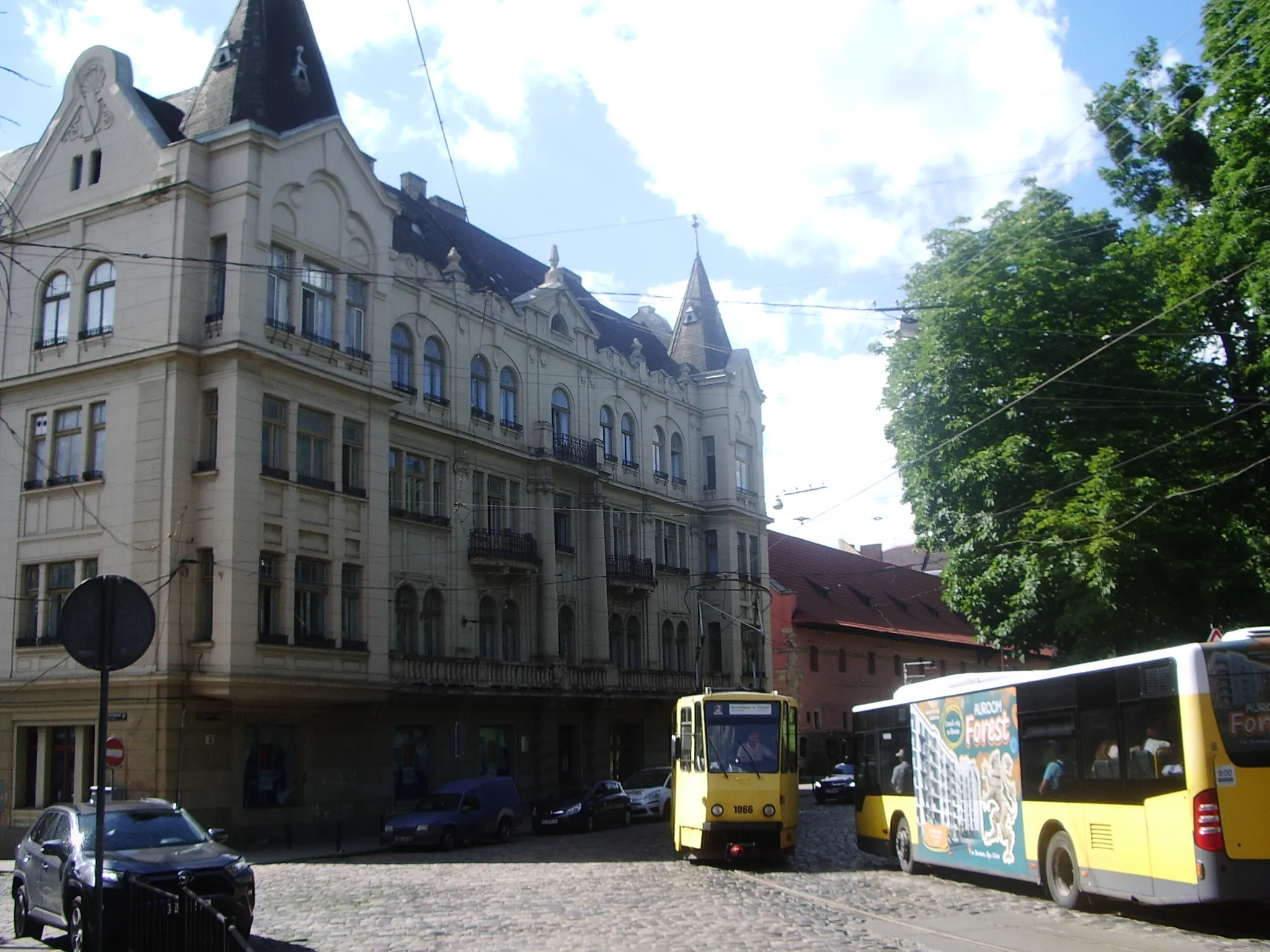
Yet, the war, though less noticeable here, was not completely absent. After I disembarked from the Flixbus at five in the morning, a loud air raid siren blared out from the central station. Deafening as it was, my fellow travellers at the tram stop did not even pass a glance towards the sirens. Truly again, the war had gone on for so long that it was normalised in their lives.
The blazing European summer sun beat down on me, as I walked through the old brick roads of the city. From the central train station to the clock tower, the white pillars reminiscent of Vienna . Unlike Kyiv’s yellow electric buses, trams ran through the city centre. The streets were a lot more lively too, given the proximity to the Polish border and the relative safety from the frontlines.
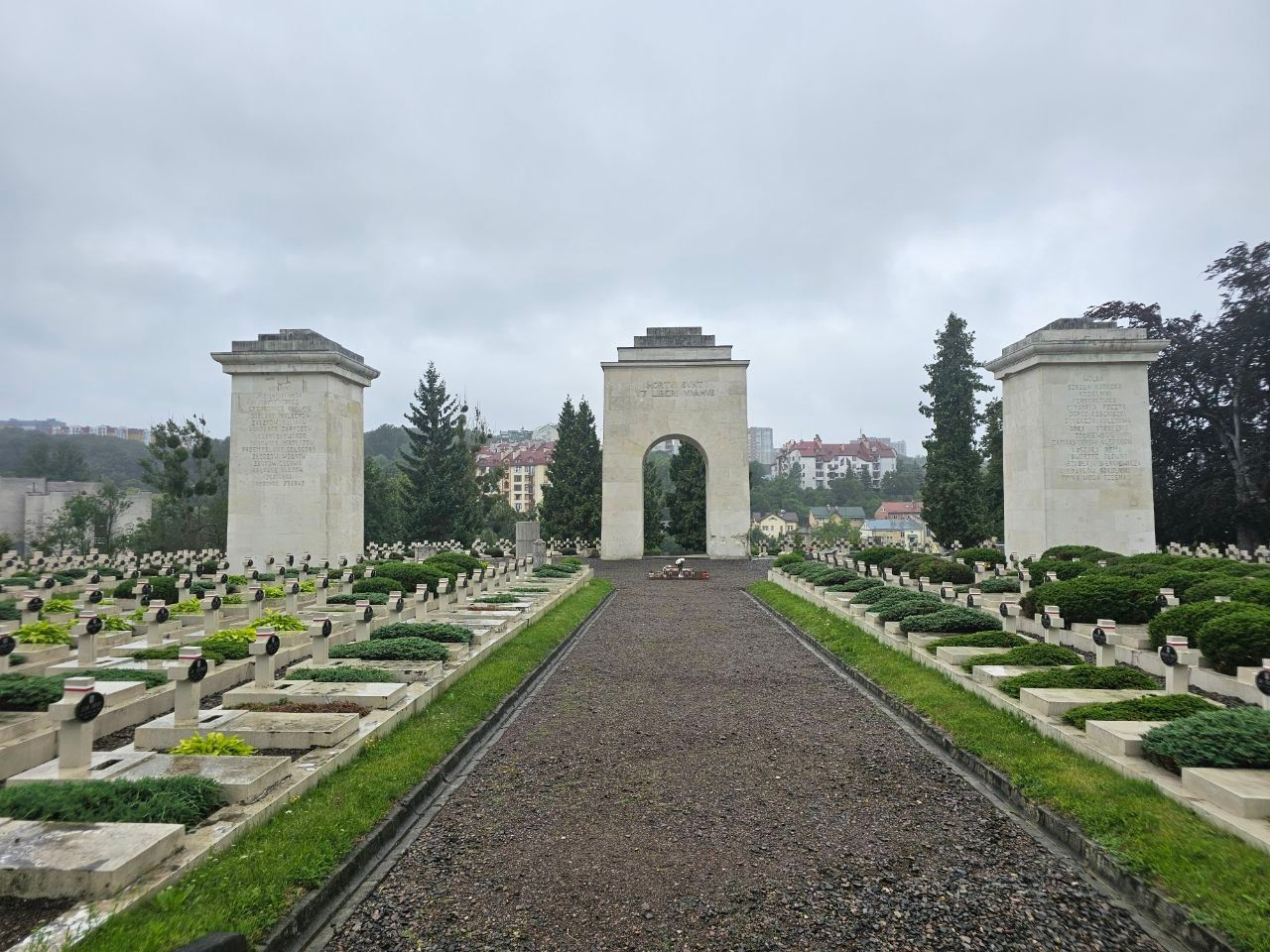
One of the main highlights of my trip was the Lychakiv Cemetery, a massive necropolis near the city centre. Because the necropolis was first built more than 200 years ago, it was not just a mere cemetery, but a testament to great figures and events in Ukraine’s history. The entrance was marked by large tombstones and mausoleums, celebrating famous writers, soldiers and politicians. Other parts of the cemetery were also marked out for major wars, such as the present Russian invasion, Polish Wars in the 20th century and World War II.
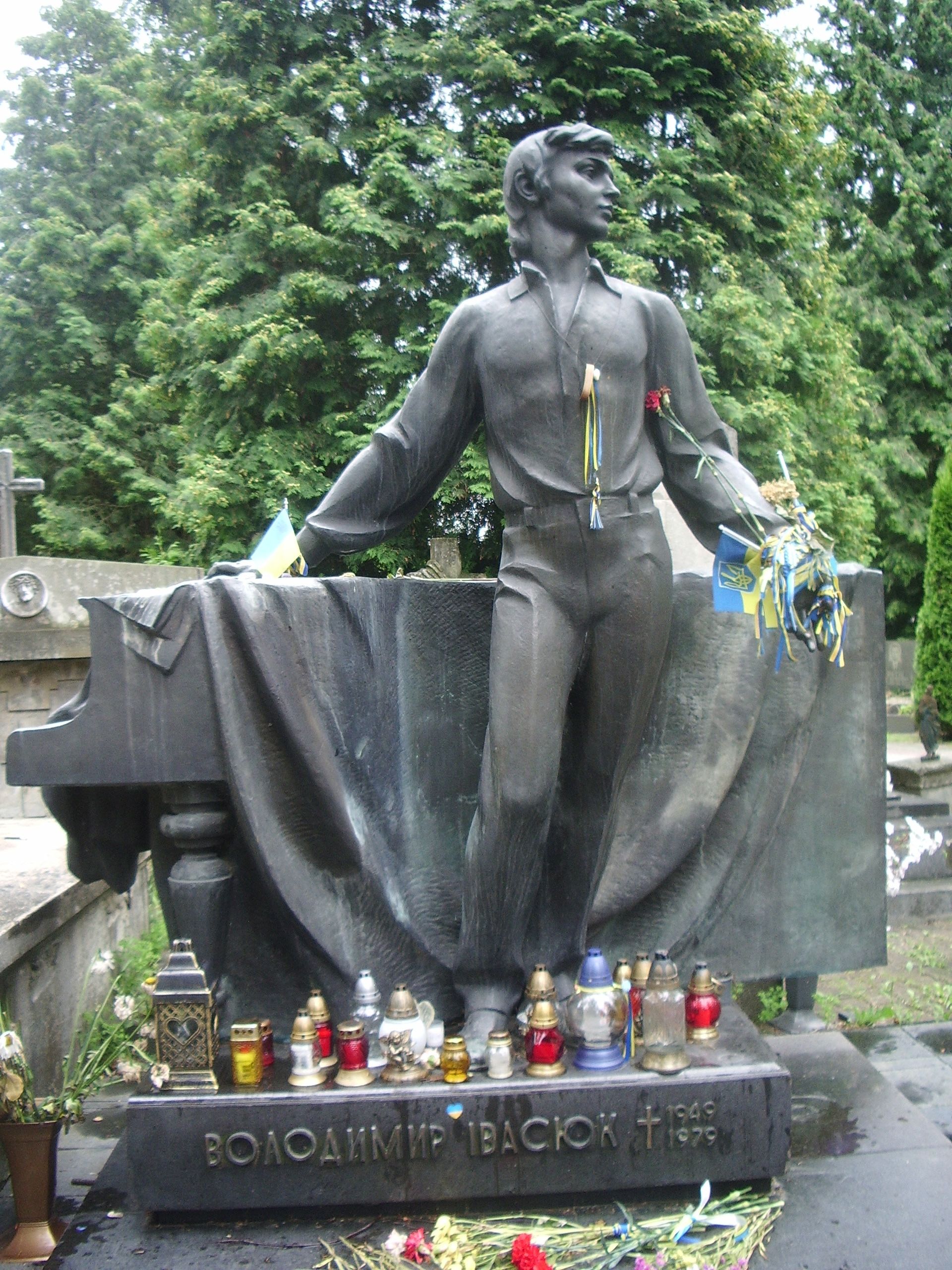
As I walked deeper into cemetery, I noticed a fresh(er) looking grave with many flowers and Ukrainian flags placed around it. I was curious to see such a sight – because the dozens of Ukrainian flags meant that the deceased was seen as a Ukrainian hero in the context of the present war. I quickly googled her name – Iryna Farion – but realised that this was a side of Ukrainian politics I had not encountered yet. Her life’s work and the controversy surrounding her reflected the deeper complexities of Ukrainian identity and the war.
From what I gathered on the internet, Iryna Farion was a linguist and politician who strongly promoted the use of the Ukrainian language. However, she was extreme in her views – to the point of advocating against the use of the Russian language in Ukraine and framing Ukrainian Russian-speakers as the enemy – despite entire cities such as Odesa primarily using the Russian language. Sadly, she was assassinated in 2024 by a shooter, allegedly influenced by Russian groups. This created a rallying point for Ukrainians against the Russian threat, hailing her as a patriot and a hero, despite her controversial politics. This flashpoint enlightened me on the complex politics in Ukraine amidst the war: the difficulty of distinguishing between fighting against the Russian state’s aggression and preserving and respecting local groups and languages in the country.
The Interviews with the People of Kyiv
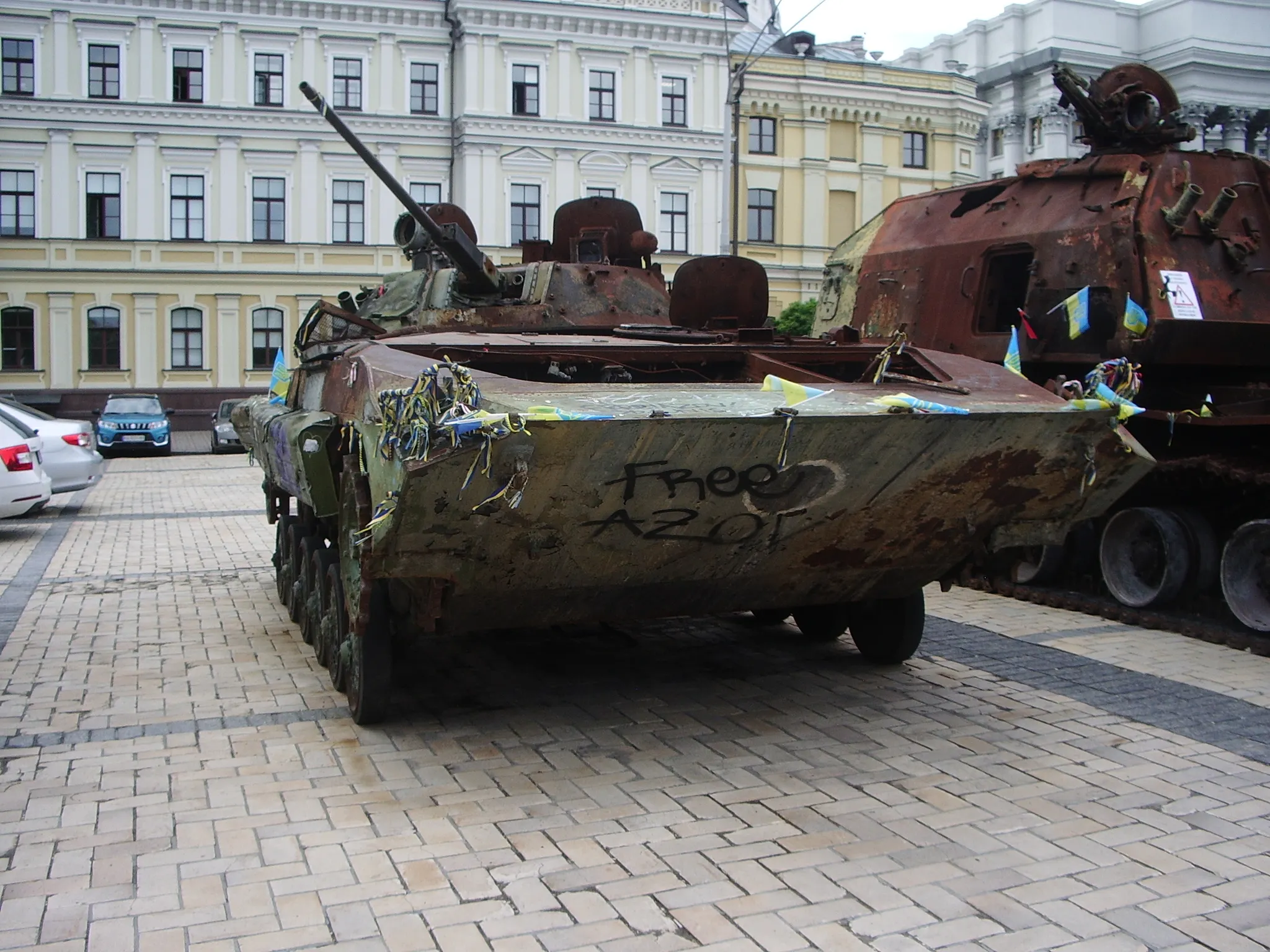
Part of my journey into Ukraine involved discovering what the everyday Ukrainians thought of the war and their current circumstances. One of the persons I bumped into was Ruslem, an ex-soldier. Dressed in military fatigues and with a scruffy beard, Ruslem approached me while I was visiting the exhibition of destroyed Russian vehicles outside St Michael’s Monastery. He showed me the scars on his wrist - a mark left by a bullet whilst in combat. Evidently, through our conversation, he also bore much bitter hatred for Putin and Russia. Despite the language barrier, I asked him a few questions by fumbling through Google Translate (and some help from my Ukrainian friend Nikita).
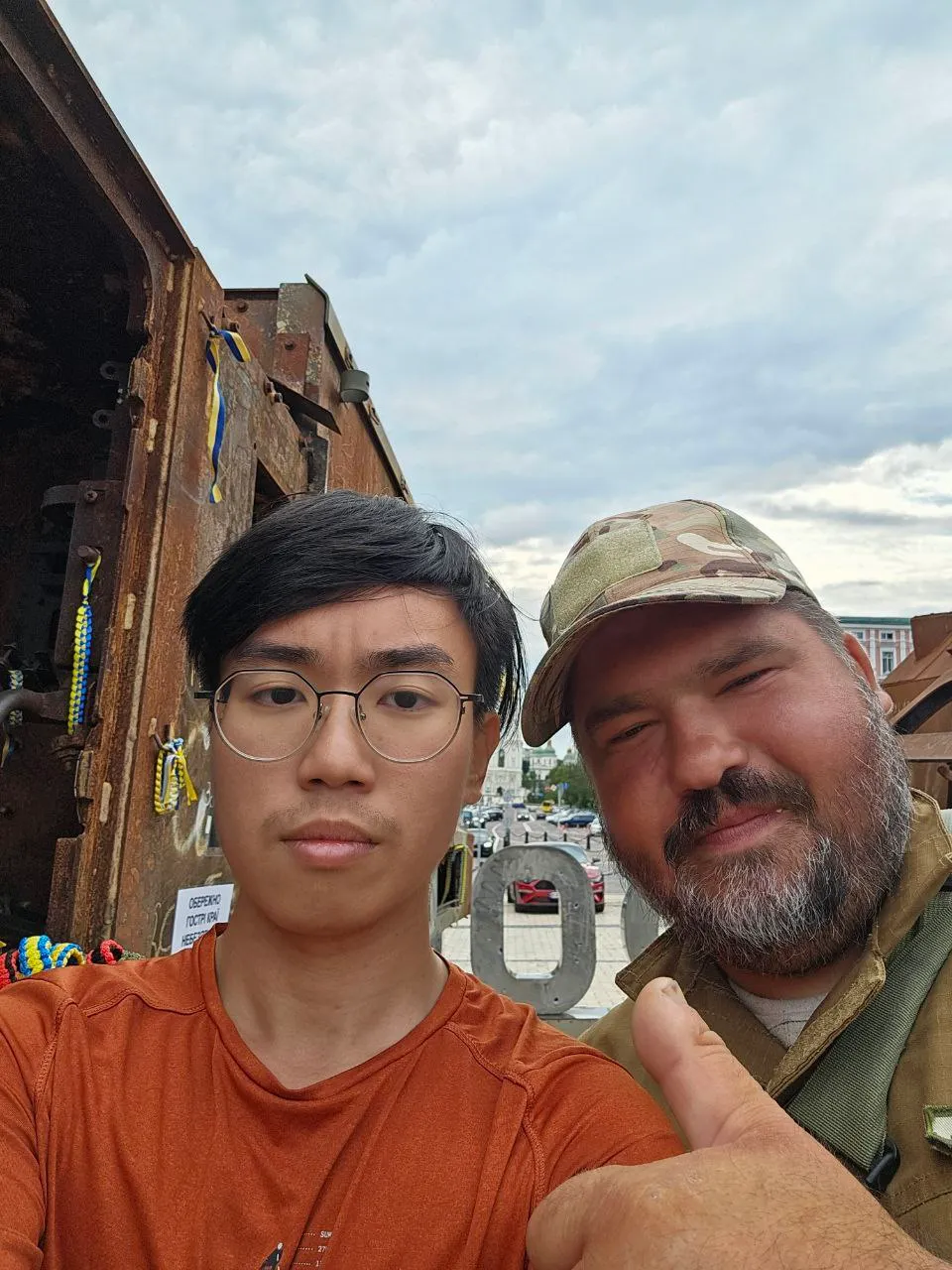
Q: Why do you still remain in Kyiv despite the war?
A: First of all, my friends are fighting. My two brothers… one brother is currently missing, the other brother is in captivity. So, I will help our guys until the end of the war. I will try to do everything possible to end this war and so that the war does not reach Europe.
Q: What are your opinions on the Ukraine war?
A: War is very bad. War kills people, war kills children, it beats women. Victory will be ours, we will not let the war reach Europe.
Q: Is there anything else you would like to say?
A: I warn you and your friends, you shouldn’t talk to Russians. First of all, they are ones who want war, they are bad people in general, they want to grab [the] whole Ukraine, whole Europe in their hands. Everywhere they go, they bring death. That’s why I warn you, your European friends, don’t talk to them. I thank you very much, Glory to Ukraine. Glory to our Heroes, Glory to people serving in Ukrainian army. We will not let them take anything anymore.
I also spoke to Ruslana, the desk girl at the hostel I was staying at. She told me that before the war, life felt carefree and much easier. But, it also felt that she had not lived without war, as if the war had lasted forever. When asked about what justice against the Russians would look like to her, she said that she would like to see a fair punishment for their war crimes, an admission of guilt and compensation for the harm caused to Ukraine and its people.
Despite the war, many others from outside Ukraine were also present in the city. I met a couple of Chinese sociology students studying in the Taras Lukashenko University. In spite of the war and their families’ worries, they decided to continue with their education since they were now in their final year. While they declined to comment on the war, they knew friends and professors who had family in the east of Ukraine, near the frontlines. It was difficult for them to contact their family members, and some even knew people who died. As foreigners, the Chinese students understood why many of their peers bore hatred towards Russia, but they could not reconcile the fact that the same friends who hated Russia also spoke Russian.
In the Taras Lukashenko Park near the university, I met two Americans on holiday in Kyiv, Dia and Johnny. In particular, Dia had returned to visit her mother and grandmother, who stayed on in the city. She wanted to return despite the war, because of the emotional connection that she felt with Ukraine.
These diverse views I encountered from both foreigners and Ukrainians that were now in Kyiv reflected how the war had impacted them. Mainly, it shows the resilience amid the dangers and difficulties created by the Russian war, where people still carry out with their daily lives and hold on to the connection they have with Ukraine.
Pieces of Russia’s Continuous Mistreatment and War Crimes against Ukraine
A large theme I noticed during my travels was the story of Russia’s continuous mistreatment of Ukraine and Ukrainians. In all of the modern war memorials, the start of the war was not dated as 2022, but as 2014 when Russia first invaded Crimea. This small detail drew my attention to the Ukrainian perspective of the war; they had not given up fighting against the Russian since they invaded in 2014, and saw the 2022 invasion as a continuation of Russia’s attempt to annex more territory.
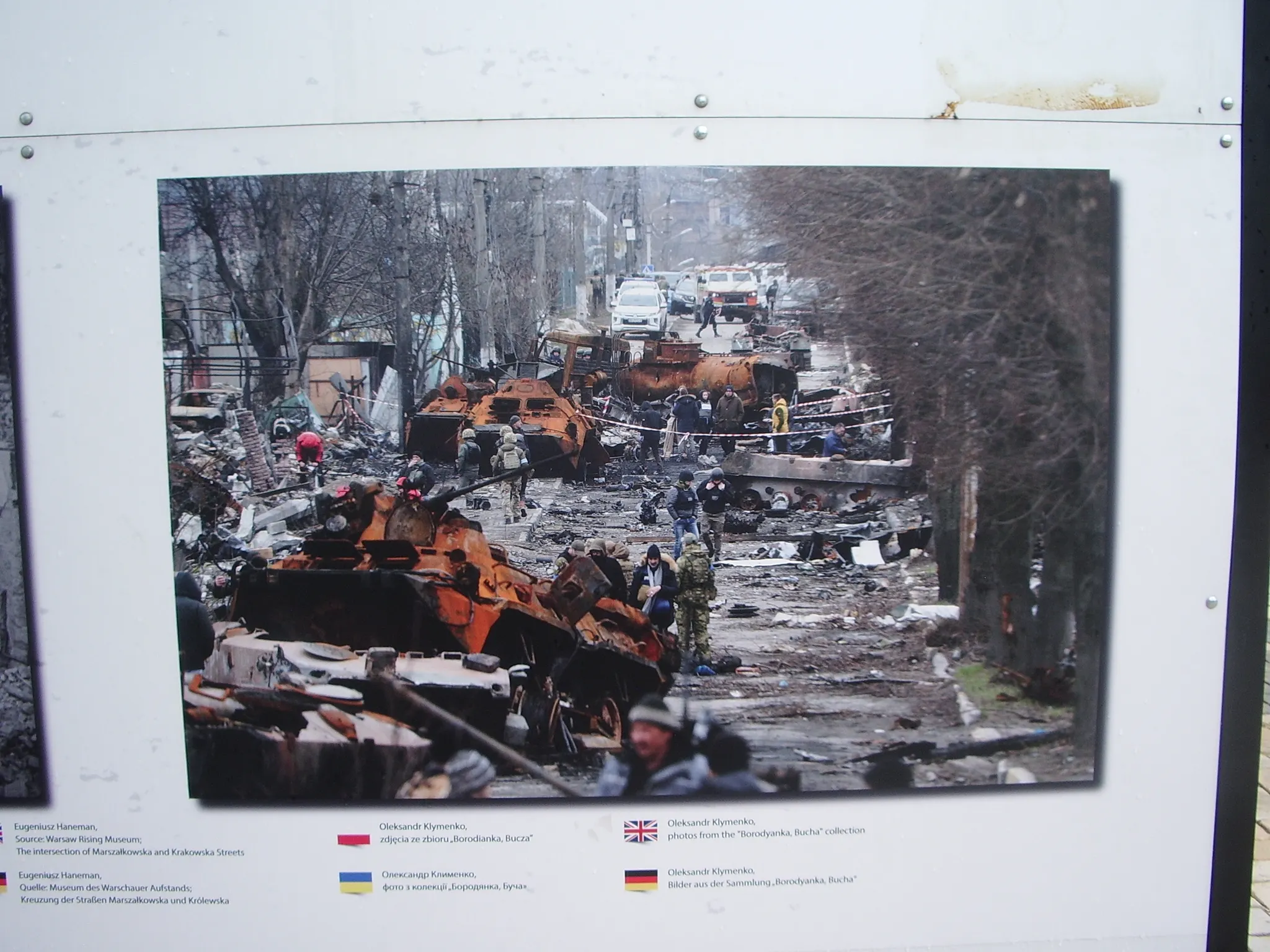
Throughout Kyiv, there were many memorials to the fallen and small pieces of evidence that the Russians had come close to conquering the country in 2022. The Russians’ past presence manifested itself not only through the memorials, but also in the form of an exhibition of destroyed vehicles near the St Michael’s Monastery. The totalled and captured Russian military vehicles was undeniable evidence that Russian tanks had rolled through the streets of Kyiv. Photos of the Kyiv invasion (that are too gory to be shown here) depicted charred corpses of civilians burned by the Russian soldiers - evidence of Russian war crimes to be documented and prosecuted by the Ukrainian government.
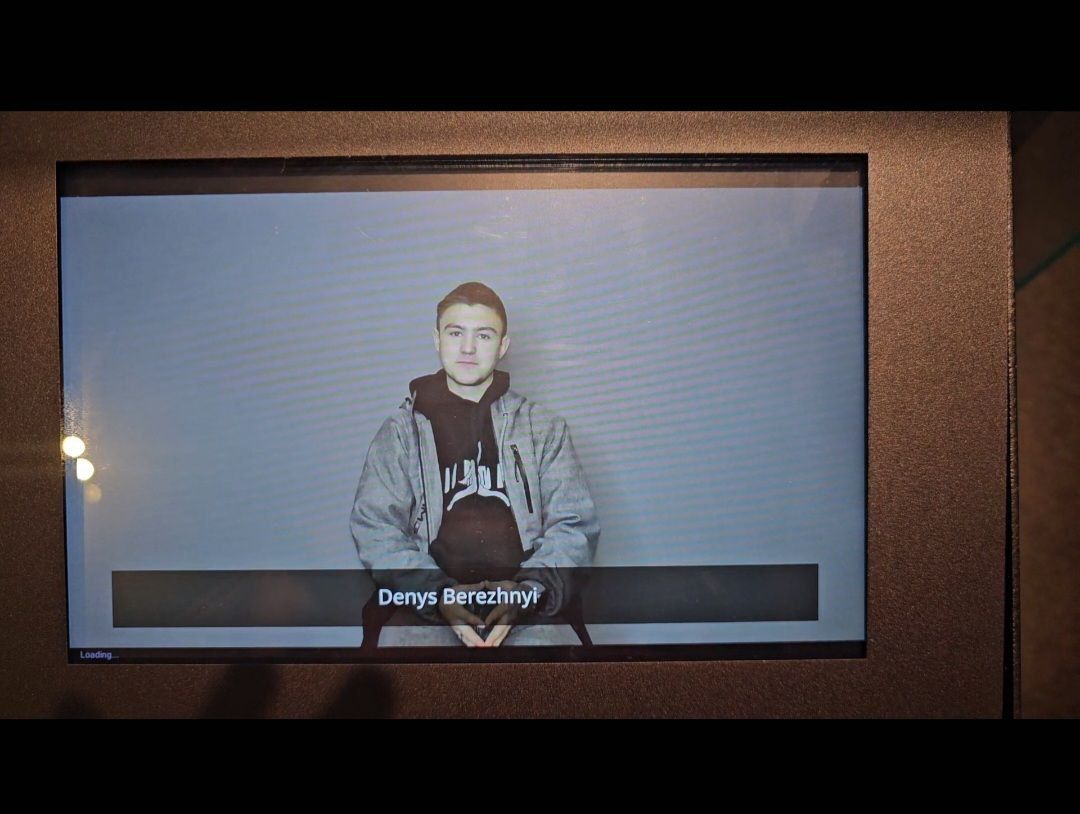
The Russian invasion did not only stop at the threat to Ukrainian sovereignty. It also extended to attacks against Ukrainian civilians and even Ukrainian identity as a whole. During my visit to the Holodomor museum, an exhibit played a video interview of a teenager that was kidnapped from Kherson and brought to a reeducation camp in Russian-controlled Crimea. There, children were made to assimilate into the Russian state and any symbols or representations of Ukraine were destroyed. It was only through a rescue organisation that he was safely smuggled back to Ukraine.
Whilst at the International Criminal Court Moot, I had also listened to a talk given by the Ukrainian Ambassador to the Netherlands, Andriy Kostin. There, he gave details about Russian environmental war crimes, by kidnapping animals native to Ukraine and destroying the Kakhovka dam to flood the surrounding region. These acts by the Russian forces had revealed to me that this was not just a war of territorial conquest, but also to actively attack and diminish the Ukrainian identity.
Ukraine’s tumultuous history with the Russians did not just start with the 2014 invasion of Crimea. The Holodomor museum presented the history of the Holodomor, a famine engineered by the Soviets to starve and crush Ukrainian farmers in the 1930s. Throughout the museum, it detailed the horrors of the Holodomor, showing how farmers had to hide grain underground to avoid confiscation by the Soviet authorities and locals detained for feeding their starving neighbours. The museum also added modern exhibits on the present Russian invasion (such as the video interview previously mentioned), implicitly showing the continuation of threats from the Soviets to the modern Russia state.
The Complex Politics in Ukraine
Everywhere I walked in Kyiv and Lviv, it was clear that the Russian aggression was universally recognised and Ukrainians felt it was part of their identity to resist the invasion. From the war memorials to the individuals I spoke with, there was a strong and stubborn resonance with Ukrainian identity and the state.
However, I also learned that Ukraine is not a monolithic state with only one language and ethnicity. From my understanding of Iryna Farion’s political advocacy and its background, other languages and ethnicities were scattered throughout Ukraine, including the Russian language and Russians. The confusion of the Chinese students at Taras Shevchenko University over the Ukrainians hatred of the Russian invasion while speaking Russian themselves also demonstrated the difficulty in distinguishing the Russian state from its culture, ethnicity and language.
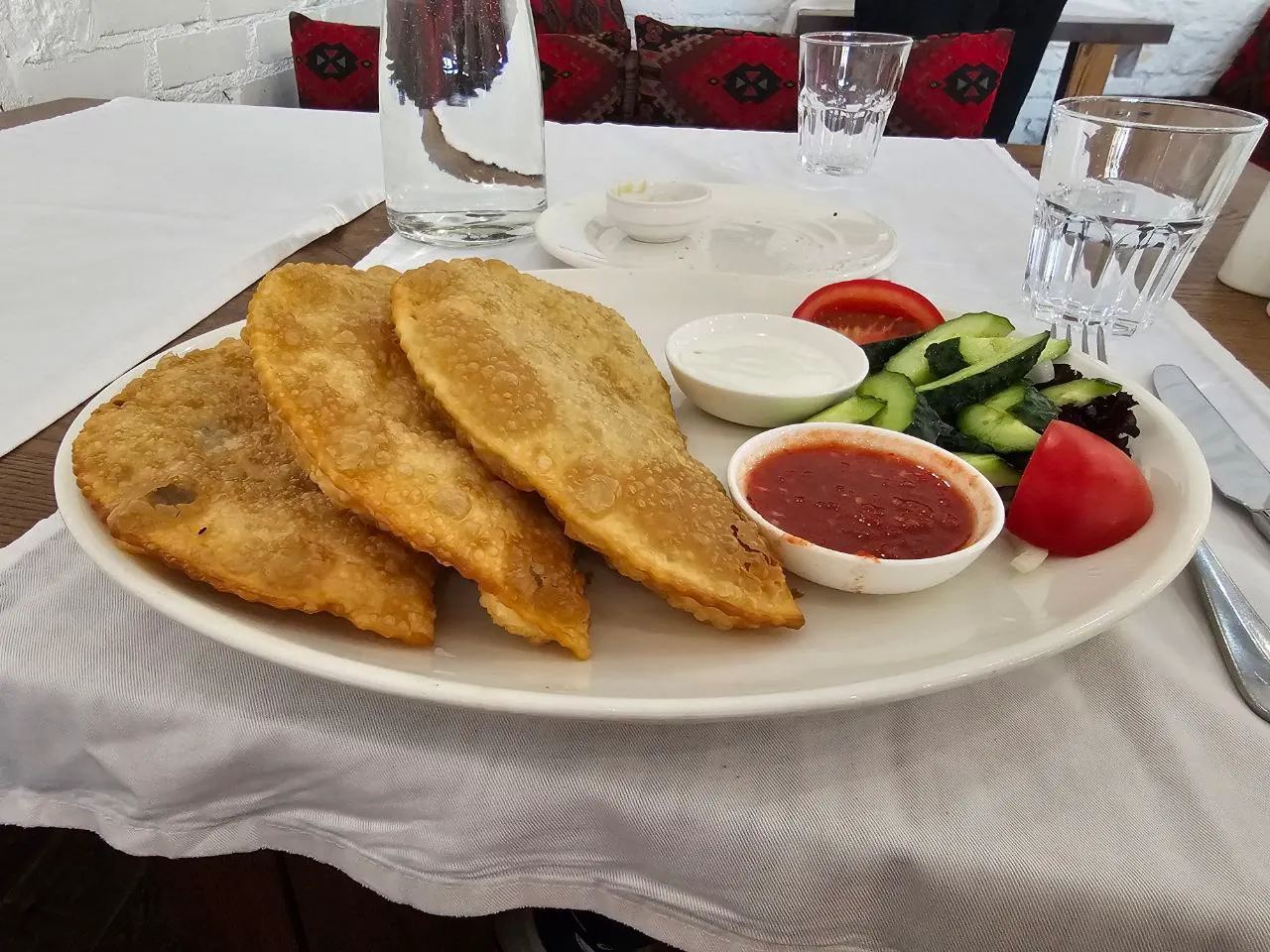
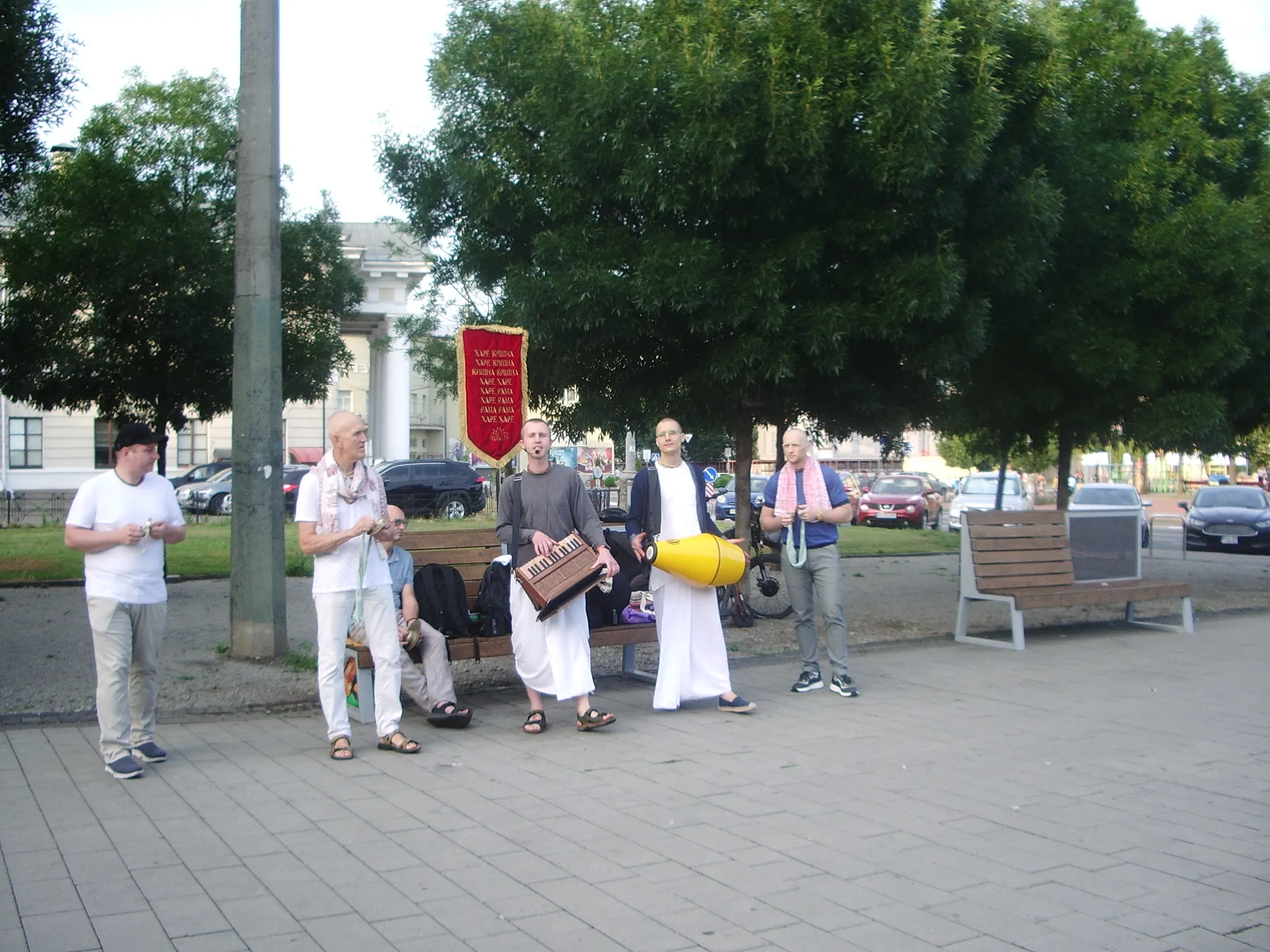
Indeed, Ukraine is an incredibly diverse country with rich histories scattered throughout the country. I managed to try a local Crimean Tartar-based restaurant chain in Kyiv named Mustafir. There, I ate chebureki - a lightly fried wrap with lamb stuffings inside. I also chanced upon Krishnaists advertising a preaching by their guru in the middle of Podil square - which I was largely surprised to see such a sizeable denomination of followers of a religion that came all the way from India. In my limited time in Ukraine, these diversities reflected another form of Ukranian resistance against Russian aggression - to accept diverse groups of peoples in the face of an authoritarian state that crushed dissent and deviation from the government’s agenda. Coming from Singapore, where national identity is not limited to a singular ethnicity or religion, the complexity of national identity in Ukraine has made me reflect and question what it means to belong to a country.
Another complexity of Ukraine’s politics was that, even though the people were united and supportive of the defence forces, they were not necessarily all-accepting of the government’s policies. A week after I had left Kyiv, I learned that the largest protests since 2022 had assembled against a new bill in the government that stripped the anti-corruption bureau of its power. Although the nation was under martial law and most Ukrainians were supporting the war effort, it was still surprising to me that the people could retain independent thought and criticism of the government on other matters. To me, this ability to speak against the government’s policies even during wartime was a stark contrast to the Russian government’s silencing of political opponents.
Ukraine’s complex politics made me reflect on my own country, Singapore - a country in peace but also sharing similarities with these political issues. What elements of your personal identity define the national identity? Is it possible to remain patriotic to your country, while being harshly critical of your government? As I have observed these issues arise in a country deep in war, I hope my fellow Singaporeans and I ponder the same questions that apply to Singapore and the Singaporean identity.
Conclusion
As a final note, I want to express my gratitude to my Ukrainian friend Nikita and the individuals that spoke with me during my stay. Despite the severe lack of coverage of Ukrainian politics, culture and history in English media, their willingness to share their lived experiences and knowledge with me allowed me to better understand the country and the lives of the average Ukrainian.
While a lot of news on the war and the situation in Ukraine still slips by the headlines of major news outlets, the Kyiv Independent has been a great source of information on the current affairs in the country. I urge readers to follow this news network if they wish to learn more about the evolving situation in Ukraine.
This trip has taught me many great things about the human condition, Ukraine and relevant lessons that I can apply to myself. It is a difficult and risky journey to make to a country in war, but it is a greater difficulty and risk for the many Ukrainians that continue to fight for their country and their identity. I hope that by writing this article, many can grow to understand the Ukrainian struggle and reflect upon the relative peace that we are privileged with.
By Joshua Tan